
Sleep Disturbances Treatment in Edmond
Quality sleep is fundamental to your physical health, mental clarity, and overall well-being. At Encompass Wellness and Aesthetics, we provide comprehensive, evidence-based treatment for sleep disturbances, addressing the underlying hormonal, metabolic, and lifestyle factors that disrupt your rest.
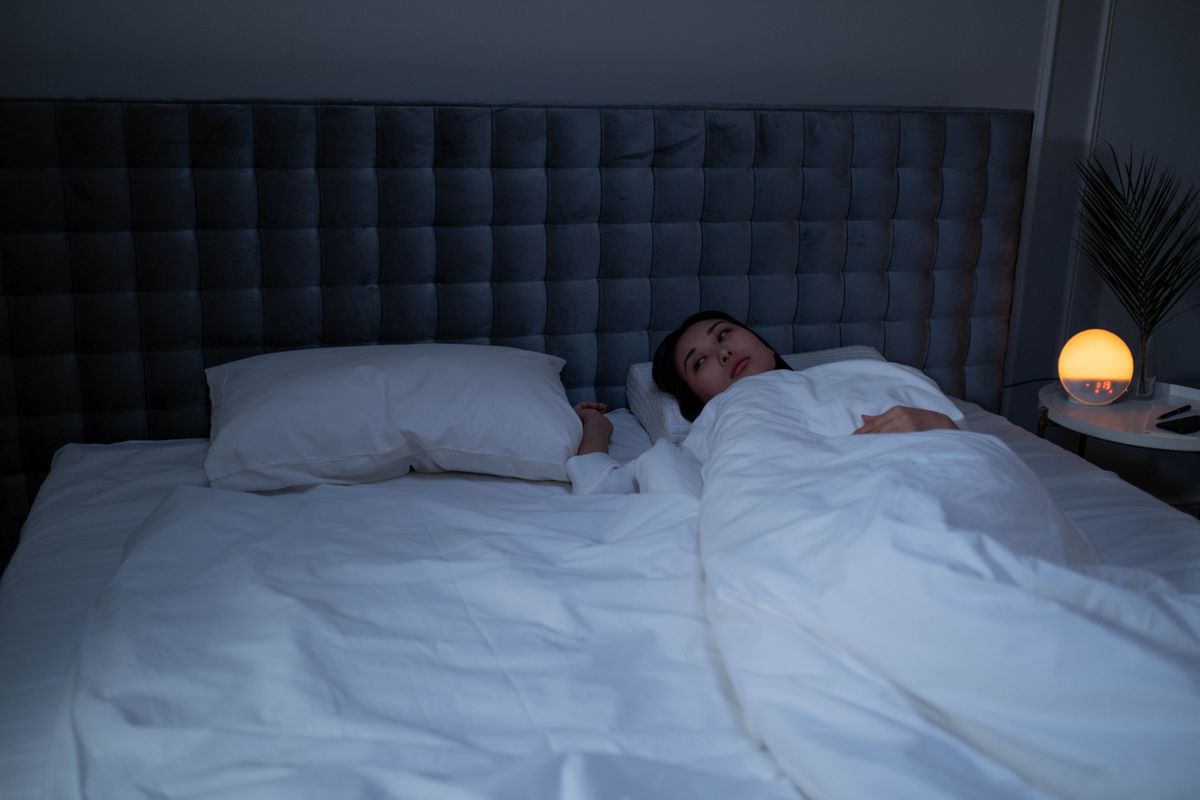
Understanding Sleep Disturbances
Sleep disturbances encompass a wide range of conditions that interfere with normal sleep patterns, including insomnia, sleep apnea, restless leg syndrome, circadian rhythm disorders, and sleep-maintenance problems. Affecting nearly 70 million Americans, sleep disturbances are among the most common yet underdiagnosed health concerns. Poor sleep doesn't just leave you tired—it significantly increases your risk of obesity, diabetes, cardiovascular disease, depression, anxiety, and cognitive decline. The impact extends beyond physical health, affecting work performance, relationships, driving safety, and quality of life. When sleep problems persist for weeks or months, they create a cascade of hormonal imbalances that perpetuate the cycle, making professional intervention essential.
The causes of sleep disturbances are multifactorial and often interconnected. Hormonal imbalances—particularly involving cortisol, melatonin, thyroid hormones, estrogen, progesterone, and testosterone—play a central role in regulating sleep-wake cycles. Women experiencing perimenopause and menopause frequently develop insomnia due to declining estrogen and progesterone levels. Men with low testosterone often report poor sleep quality and increased nighttime awakenings. Other contributing factors include chronic stress, metabolic dysfunction, blood sugar dysregulation, inflammation, sleep apnea, medication side effects, shift work, excessive screen time, caffeine and alcohol consumption, and underlying mental health conditions such as anxiety and depression. Age-related changes in circadian rhythms and melatonin production also increase vulnerability to sleep disturbances in older adults.
Professional treatment for sleep disturbances is crucial because persistent sleep problems rarely resolve on their own and often worsen over time. While occasional sleepless nights are normal, chronic sleep disturbances require comprehensive evaluation to identify and address underlying causes. At Encompass Wellness and Aesthetics in Edmond, our approach goes beyond symptom management to investigate hormonal, metabolic, and lifestyle factors affecting your sleep. We utilize advanced diagnostic testing, evidence-based treatment protocols, and personalized care plans that may include bioidentical hormone replacement therapy, targeted supplementation, sleep hygiene optimization, cognitive behavioral therapy for insomnia (CBT-I) principles, and metabolic optimization. Our goal is not just to help you fall asleep, but to restore restorative, high-quality sleep that supports your long-term health and vitality.
Signs & Symptoms of Sleep Disturbances
- Difficulty Falling Asleep: Lying awake for 30 minutes or more despite feeling tired, with racing thoughts or inability to relax.
- Frequent Nighttime Awakenings: Waking multiple times during the night with difficulty returning to sleep, disrupting sleep continuity.
- Early Morning Awakening: Waking 2-3 hours before your intended time and being unable to fall back asleep, often associated with depression.
- Daytime Fatigue and Brain Fog: Persistent exhaustion, difficulty concentrating, memory problems, and mental sluggishness despite spending adequate time in bed.
- Irritability and Mood Changes: Increased emotional reactivity, anxiety, depression, or mood swings directly related to poor sleep quality.
- Anxiety About Sleep: Worrying about not being able to sleep, watching the clock, or feeling anxious as bedtime approaches.
- Impaired Performance: Decreased productivity at work, difficulty making decisions, and increased errors or accidents due to sleep deprivation.
- Chronic Fatigue and Low Energy: Feeling physically exhausted throughout the day, lacking motivation, and requiring caffeine or stimulants to function.
- Restless Legs or Limb Movements: Uncomfortable sensations in the legs with an irresistible urge to move them, particularly when lying down at night.
- Snoring and Breathing Pauses: Loud snoring, gasping for air, or observed pauses in breathing during sleep, indicating possible sleep apnea.
- Night Sweats and Hot Flashes: Waking drenched in sweat or experiencing temperature dysregulation, often related to hormonal imbalances.
- Increased Appetite and Weight Gain: Cravings for carbohydrates and sugary foods, difficulty controlling appetite, and weight gain related to sleep deprivation.
- Muscle Tension and Headaches: Morning headaches, jaw clenching, muscle aches, and physical tension resulting from non-restorative sleep.
- Increased Illness and Slower Recovery: Frequent colds and infections, weakened immune function, and prolonged recovery from illness due to sleep deprivation.
- Dependence on Sleep Aids: Relying on alcohol, over-the-counter medications, or prescription sleep aids to fall or stay asleep.
What to Expect
- Comprehensive evaluation of sleep history, symptoms, lifestyle factors, and medical background with advanced laboratory testing
- Personalized treatment plans targeting root causes including hormonal imbalances, metabolic dysfunction, and circadian rhythm disruption
- Evidence-based protocols including bioidentical hormone replacement therapy, targeted supplementation, and CBT-I principles
- Regular follow-up appointments to track progress, review sleep logs, assess treatment effectiveness, and make necessary modifications
- Telehealth options for convenient access to expert care from the comfort of your home
- Long-term maintenance care to sustain improvements and support ongoing sleep quality and overall health
How We Treat Sleep Disturbances
Comprehensive Assessment
We begin with a detailed evaluation of your sleep history, symptoms, lifestyle factors, and medical background. Advanced laboratory testing assesses hormone levels (cortisol, melatonin, thyroid, sex hormones), metabolic markers, nutrient deficiencies, and inflammatory markers. When appropriate, we coordinate sleep studies to rule out sleep apnea or other sleep disorders requiring specialized intervention.
Personalized Treatment Plan
Based on your specific diagnosis and test results, we create a customized treatment plan targeting the root causes of your sleep disturbances. Your plan is tailored to your unique physiology, lifestyle, preferences, and health goals. We provide clear explanations of each treatment component and adjust protocols based on your response and feedback throughout the treatment process.
Ongoing Care & Monitoring
Sleep restoration is a process that requires consistent monitoring and adjustment. We schedule regular follow-up appointments to track your progress, review sleep logs, assess treatment effectiveness, and make necessary modifications. Follow-up testing ensures hormone levels and metabolic markers are optimizing. Our team remains accessible for questions and concerns throughout your treatment journey.
Benefits
Board-Certified Expertise
Our providers are board-certified in hormone and metabolic medicine with specialized training in sleep disorders and their hormonal underpinnings.
Personalized Approach
We recognize that every patient's sleep disturbances are unique, requiring individualized assessment and treatment tailored to your specific needs.
Telehealth Available
Convenient virtual consultations allow you to receive expert care from the comfort of your home, making treatment accessible and sustainable.
Proven Experience
We have successfully treated hundreds of patients with sleep disturbances, helping them achieve restorative sleep and improved quality of life.
Your Treatment Journey
First Evaluation (Week 1)
Your initial comprehensive consultation includes a detailed sleep history, review of current symptoms, assessment of lifestyle factors, and discussion of your health goals. We order comprehensive laboratory testing to evaluate hormones, metabolic function, and nutritional status. You'll receive guidance on sleep tracking and may be asked to complete a sleep diary before your next visit.
Treatment Begins (Weeks 2-4)
Once lab results are available, we review findings together and implement your personalized treatment plan. This may include hormone optimization, targeted supplementation, sleep hygiene modifications, and behavioral interventions. Initial improvements in sleep latency (time to fall asleep) often occur within the first 1-2 weeks. We provide education on proper supplement timing, sleep schedule optimization, and strategies to support circadian rhythm regulation.
Progress Review (Months 2-3)
Follow-up appointments assess your response to treatment, review sleep logs, and make necessary adjustments to protocols. Most patients experience significant improvements in sleep quality, duration, and daytime functioning during this phase. Hormone optimization typically requires 6-12 weeks to reach full effect. We fine-tune dosages, address any side effects, and reinforce behavioral strategies that support sustainable sleep improvements.
Long-Term Management
Once sleep patterns are stabilized and restorative, we transition to maintenance care with periodic follow-ups every 3-6 months. Follow-up testing ensures hormone levels remain optimized and allows us to proactively address any changes. We provide ongoing support for lifestyle optimization, stress management, and sleep hygiene maintenance. Most patients achieve sustained improvements and report significantly enhanced quality of life, energy, mood, and overall health.
Evidence-Based Treatment Protocols
Our evidence-based treatment protocols may include bioidentical hormone replacement therapy (BHRT) to correct hormonal imbalances affecting sleep-wake cycles, particularly for women experiencing perimenopause or menopause and men with low testosterone. We utilize targeted nutritional supplementation including magnesium glycinate, L-theanine, glycine, taurine, phosphatidylserine, and adaptogenic herbs to support relaxation and circadian rhythm regulation. When appropriate, we prescribe low-dose melatonin, timed correctly to reset circadian rhythms without causing next-day grogginess. We incorporate principles of cognitive behavioral therapy for insomnia (CBT-I), the gold-standard non-pharmacological treatment, including sleep restriction therapy, stimulus control, and cognitive restructuring of unhelpful beliefs about sleep. Lifestyle optimization addresses sleep hygiene, light exposure, exercise timing, caffeine and alcohol consumption, stress management, and bedroom environment. For patients with sleep apnea, we coordinate with sleep specialists for CPAP therapy or alternative treatments. When indicated, we may prescribe FDA-approved sleep medications as a short-term bridge while addressing underlying causes, always prioritizing non-habit-forming options and avoiding long-term benzodiazepine use.
Closing Note on Symptoms
If you recognize these signs, help is available. Early treatment leads to better outcomes and can prevent the long-term health consequences of chronic sleep deprivation.
Common Questions About Sleep Disturbances
How long does treatment for sleep disturbances take?
The timeline varies depending on the underlying causes and severity of your sleep disturbances. Many patients notice initial improvements in sleep quality within 2-4 weeks of starting treatment, particularly with sleep hygiene optimization and targeted supplementation. Hormone-based treatments typically require 6-12 weeks to reach full therapeutic effect. For chronic, long-standing sleep problems, significant improvement often occurs within 2-3 months of comprehensive treatment. Complete resolution and stabilization may take 4-6 months, and ongoing maintenance is typically recommended to sustain results. Patients with sleep apnea or other medical conditions may require concurrent treatment with specialists, which can influence the timeline.
Is medication always required for sleep disturbances?
No, medication is not always required. Many sleep disturbances respond well to non-pharmacological interventions including hormone optimization, targeted supplementation (magnesium, L-theanine, glycine), sleep hygiene improvements, cognitive behavioral therapy for insomnia (CBT-I) principles, stress management, and lifestyle modifications. However, for severe insomnia or when rapid symptom relief is needed while addressing root causes, we may prescribe short-term sleep medications as a bridge to more sustainable treatments. We prioritize non-habit-forming options and avoid long-term benzodiazepine use. Our goal is always to address underlying causes—such as hormonal imbalances or metabolic dysfunction—rather than simply masking symptoms with medication. Each treatment plan is individualized based on your specific needs, preferences, and clinical presentation.
Does insurance cover sleep disturbances treatment?
Insurance coverage varies depending on your specific plan and the treatments recommended. Many insurance plans cover consultations, diagnostic testing (laboratory work, sleep studies), and certain medications when medically necessary. Bioidentical hormone replacement therapy and some nutritional supplements may not be covered by all insurance plans and may require out-of-pocket payment. We provide detailed information about costs during your initial consultation and can provide documentation for insurance reimbursement when applicable. Our team can help you understand your coverage and explore payment options. For many patients, investing in effective sleep treatment provides significant long-term health benefits and cost savings by preventing chronic diseases associated with untreated sleep disturbances.
What if my previous treatment for sleep problems didn't work?
Many patients come to us after unsuccessful trials of over-the-counter sleep aids, prescription medications, or generic advice about sleep hygiene. Our approach differs by comprehensively investigating the root causes of your sleep disturbances rather than simply treating symptoms. We assess hormonal imbalances, metabolic dysfunction, nutritional deficiencies, and other underlying factors that are often overlooked in conventional treatment approaches. By addressing these root causes—such as cortisol dysregulation, melatonin deficiency, thyroid problems, sex hormone imbalances, or blood sugar instability—we can often achieve success where previous treatments failed. Our personalized, multi-modal approach combines evidence-based interventions tailored to your unique physiology and situation. Even if you've struggled with sleep for years, effective treatment is possible with the right diagnosis and comprehensive care.
Can telehealth appointments effectively treat sleep disturbances?
Yes, telehealth is highly effective for sleep disturbances treatment and offers several advantages. Virtual appointments allow for comprehensive consultation, review of sleep history, discussion of symptoms, education about sleep physiology, and treatment planning—all from the comfort of your home. Laboratory testing can be ordered through local facilities with results reviewed during follow-up telehealth visits. Sleep tracking data, sleep logs, and questionnaires can be easily shared electronically. Telehealth also eliminates travel time and makes consistent follow-up appointments more convenient, which is crucial for optimizing treatment. The only exception is the initial physical examination, which some patients may prefer to complete in person, though this is often not necessary for sleep disorder treatment. Many of our patients successfully manage their sleep disturbances entirely through telehealth, with excellent outcomes.
How do hormones affect sleep, and can hormone therapy help?
Hormones play a critical role in regulating sleep-wake cycles, and hormonal imbalances are a common underlying cause of sleep disturbances. Cortisol, your primary stress hormone, follows a natural rhythm that should be highest in the morning and lowest at night; chronic stress and cortisol dysregulation can prevent the natural drop needed for sleep initiation. Melatonin, produced by the pineal gland, signals your body when it's time to sleep and is often deficient in shift workers, frequent travelers, and older adults. Estrogen and progesterone profoundly affect sleep quality in women; declining levels during perimenopause and menopause commonly cause insomnia, night sweats, and frequent awakenings. Testosterone influences sleep architecture in both men and women, and low levels are associated with sleep fragmentation and sleep apnea. Thyroid hormones regulate metabolism and energy; both hypothyroidism and hyperthyroidism can disrupt sleep. When comprehensive hormone testing identifies imbalances, bioidentical hormone replacement therapy (BHRT) can be highly effective in restoring normal sleep patterns by correcting the underlying hormonal dysfunction.
Related Conditions
Related
Chronic Fatigue
Persistent exhaustion and low energy that doesn't improve with rest, often linked to hormonal and metabolic imbalances.
Related
Anxiety
Excessive worry, racing thoughts, and physical tension that interfere with daily functioning and sleep quality.
Related
Weight Gain
Unexplained weight gain or difficulty losing weight despite diet and exercise, often related to metabolic and hormonal dysfunction.
Get Help for Sleep Disturbances Today
You don't have to face sleep disturbances alone. Our team in Edmond is ready to help you achieve restorative sleep and renewed vitality.
Schedule an Appointment


